

Practical home labs, tested properly
Build a home server you can actually live with.
Clear, beginner-friendly guides for quiet hardware, Jellyfin, simple networking and backups that restore—without turning a useful server into a second job.
- Real-world testing
- Low-power first
- No assumed knowledge

Start with the outcome
What are you trying to do?
Pick the closest goal. Each path starts with the useful steps and leaves the optional complexity until later.
Get Jellyfin working
Work through paths, mounts, Linux permissions, Docker mappings and library scans in the right order.
Open the Jellyfin hub 02 Build from scratchStart a small home lab
Choose one low-power machine, one useful service and a backup plan you can test before adding complexity.
Follow the starter path 03 Protect your setupMake recovery boring
Use practical 3-2-1 backups, clear storage layouts and restore checks before your server becomes essential.
Build a backup planUseful right now
Featured from SmallGrid
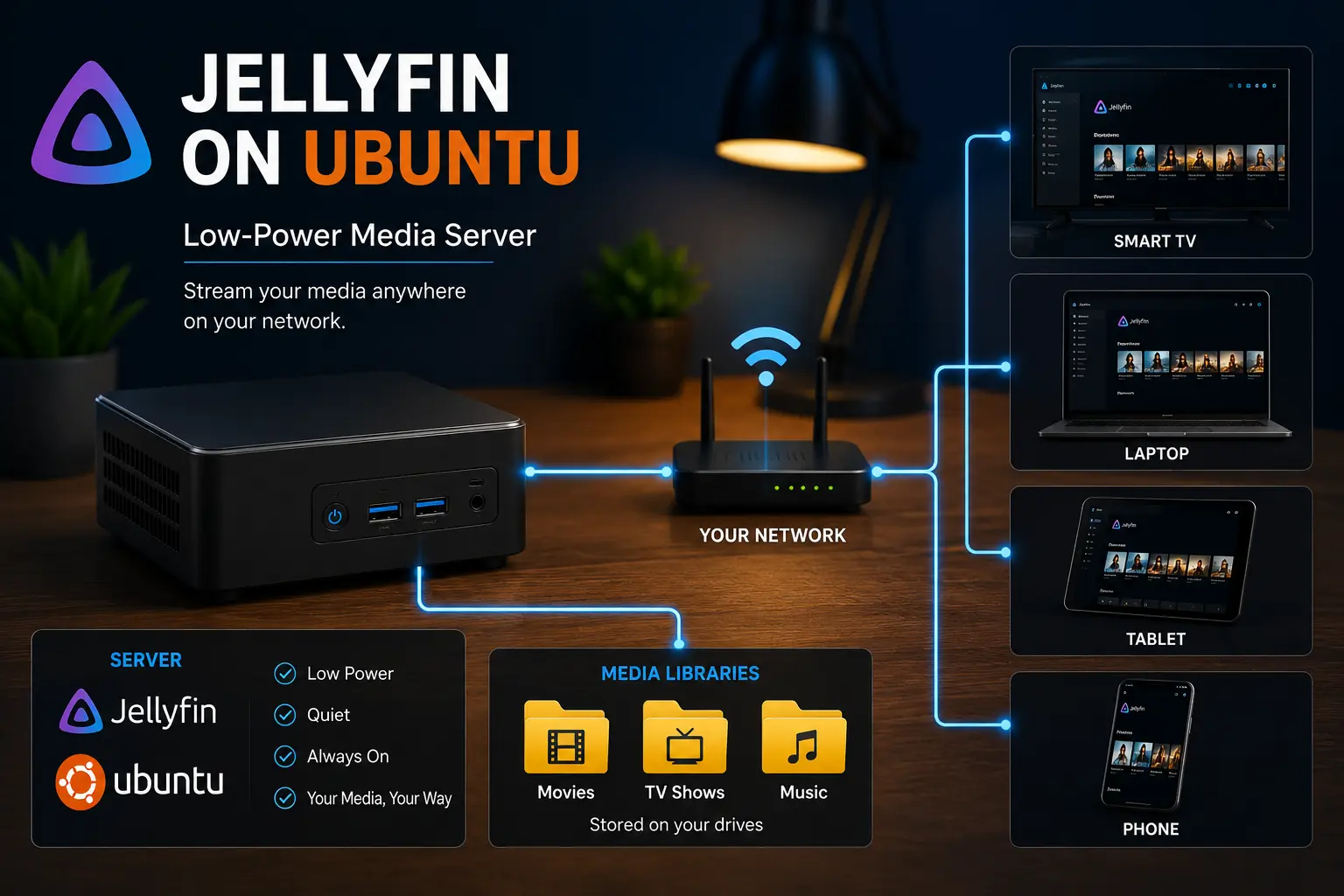
Jellyfin 12 Upgrade Preparation: Backup, Plugins and Migration Checklist
Prepare a Jellyfin 10.10 or 10.11 server for Jellyfin 12. Check your version, create a restorable backup, audit plugins and plan the first startup safely.
Read guide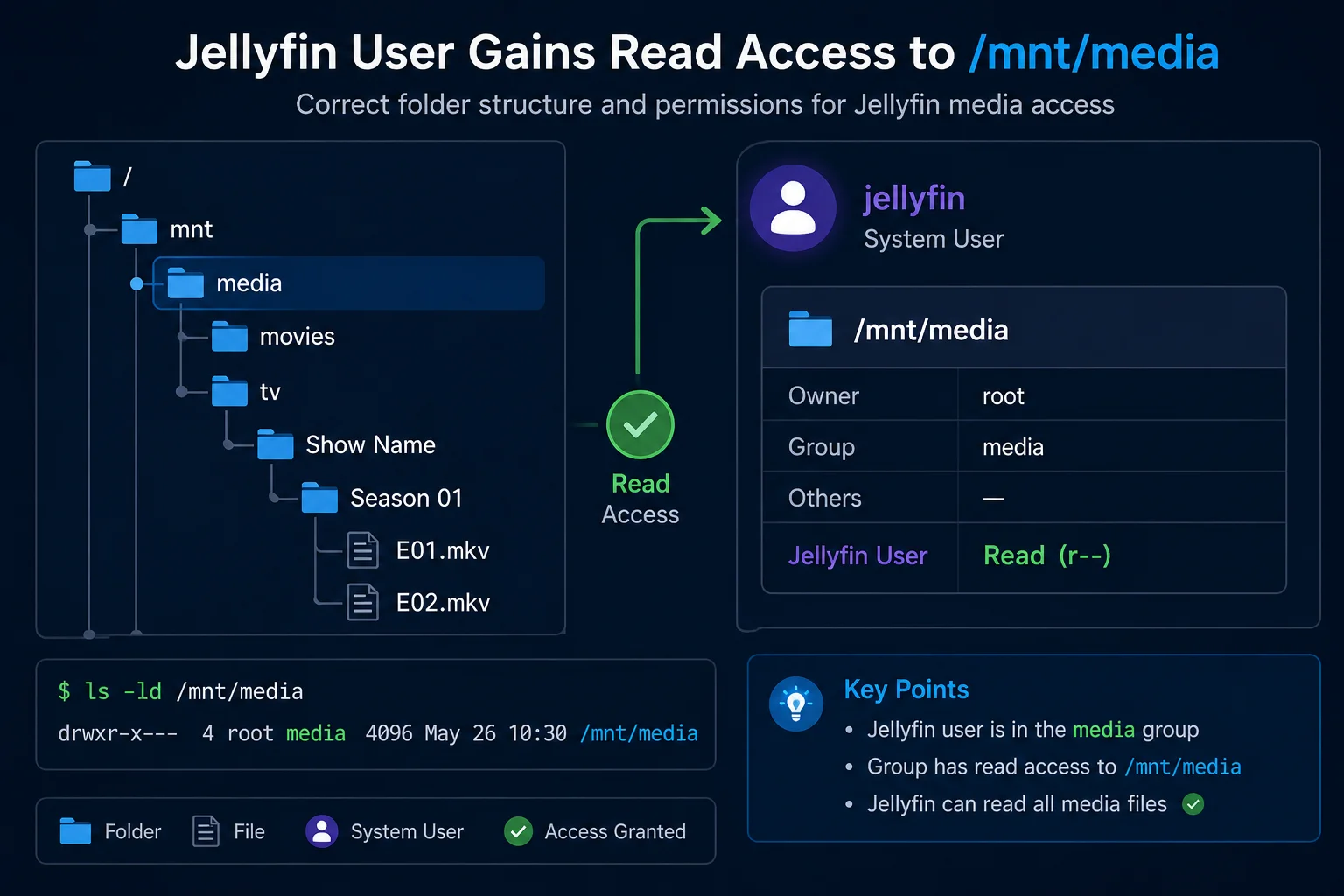
Jellyfin Library Not Showing Files? 8 Checks That Fix It
Fix a Jellyfin library that is empty or missing media. Check mounts, Linux permissions, Docker paths, library folders, naming, scans and logs in the correct order.
Read guide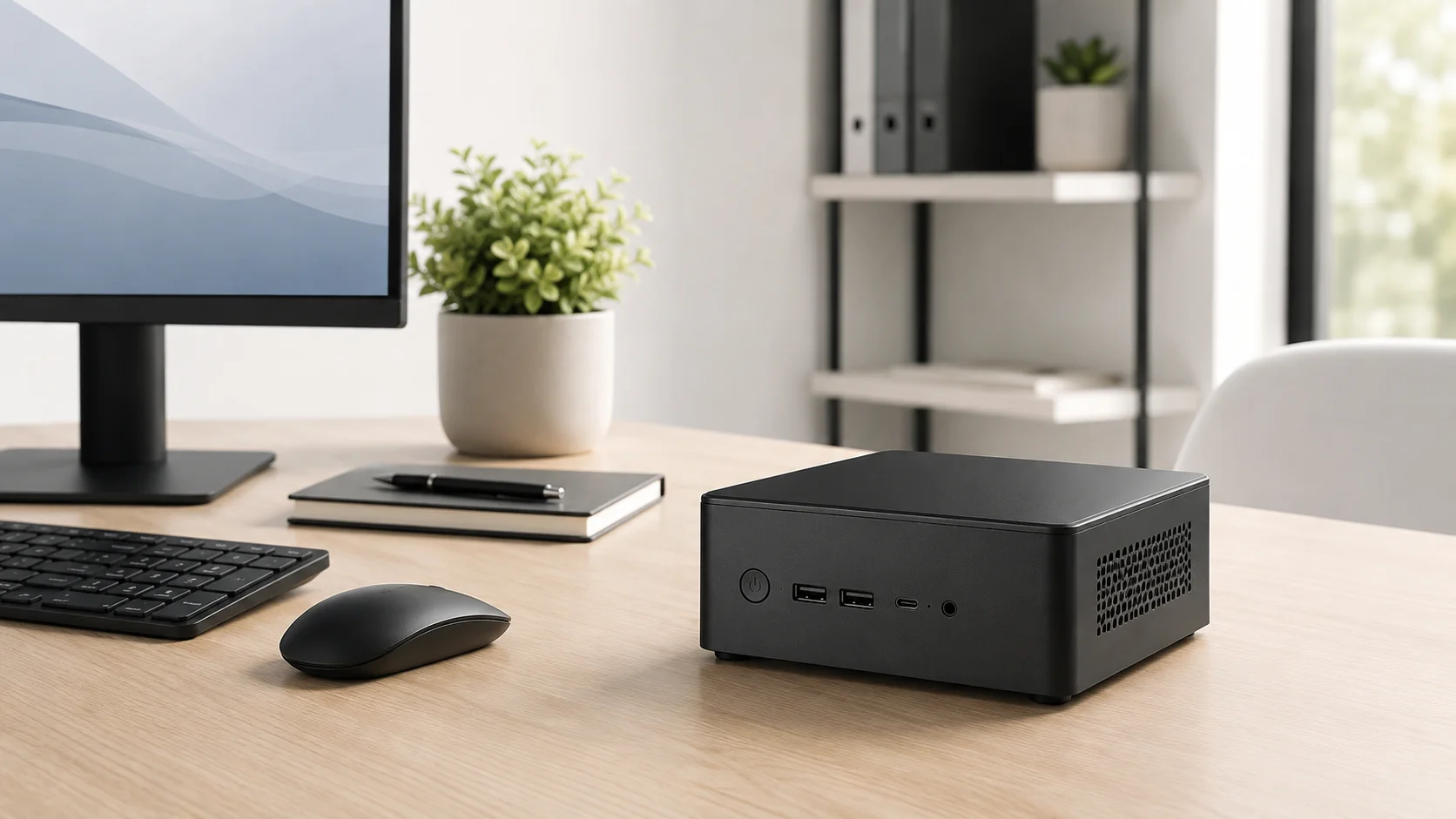
Best Mini PC Specs for Jellyfin: What Actually Matters
Choose practical mini PC specs for a Jellyfin home server, including CPU, Intel Quick Sync, RAM, storage, network, power use, and when you need hardware transcoding.
Read guideBrowse by technology
Find your part of the stack.
Focused collections for the hardware and software most small home labs actually use.
What changed and what to do
Latest home lab updates
Jellyfin 10.11 Security Patches and the Jump to Version 12
Jellyfin 10.11.7 fixed important security issues, 10.11.11 is now the stable patch, and the next major server release is 12.0 rather than 10.12.
Proxmox VE 9.2 Is the New Home-Lab Baseline
Proxmox VE 9.2 moves the platform to Debian 13.5, kernel 7.0, QEMU 11, LXC 7 and ZFS 2.4, with new HA, SDN and CPU-model controls.
Docker Engine 29 Security Updates: Move Beyond 29.6.2
Docker 29.6.1 and 29.6.2 fixed multiple build and local-source vulnerabilities, with further security and regression fixes now available in 29.7.x.
Tested by Sean Dolman
Advice from a real, imperfect home lab.
SmallGrid documents what works after the commands have run: permissions checked, mounts confirmed, playback inspected, power measured and recovery tested. When something fails, the failure becomes part of the guide.
- Focus
- Small, quiet and maintainable
- Default
- Private and recoverable
- Standard
- Clear enough for beginners
Freshly documented
Latest guides
What's New in Proxmox VE 9.2 for Home Labs
Understand the Proxmox VE 9.2 baseline: Debian 13.5, kernel 7.0, QEMU 11, LXC 7, ZFS 2.4, HA changes, SDN fabrics and home-lab upgrade priorities.
Read guideHow to Safely Update Jellyfin 10.11.x
Update Jellyfin 10.11 safely on Ubuntu or Docker: check the current version, take an offline backup, review plugins, update one layer and verify playback.
Read guideHow to Safely Update Docker Engine on Ubuntu
Update Docker Engine on Ubuntu without combining application upgrades: inventory packages, back up persistent data, review release notes and verify every container.
Read guide